Source Handmade Eco Friendly Cake Mold for Baking
Source handmade eco friendly cake mold options from 30 verified listings. Compare silicone materials, custom designs, and bulk pricing to find the right baking tools for your business needs; compare the available evidence and request quotations based on your requirements.
Key considerations
Products List

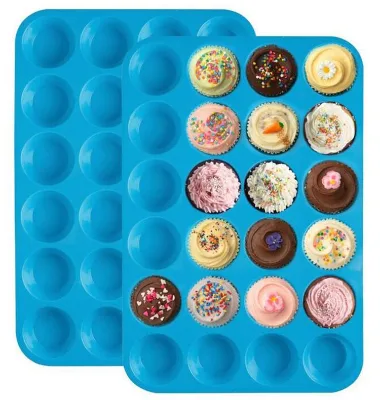


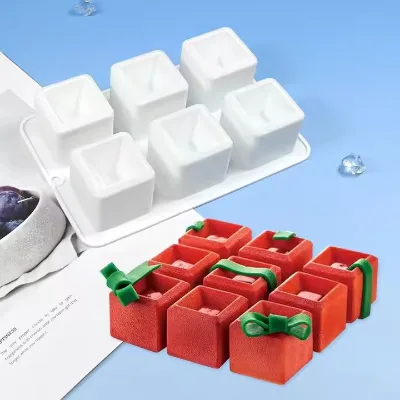


Comprehensive Sourcing Guide
Handmade Eco Friendly Cake Mold Sourcing Guide
Sourcing handmade eco-friendly cake molds requires a nuanced understanding of material properties, manufacturing capabilities, and commercial terms. The market offers a diverse range of silicone-based products, from standard fruit-shaped designs to fully customized molds. Buyers must navigate varying specifications, including size, weight, and packaging, to ensure the selected product aligns with their brand identity and operational needs. This guide provides a structured approach to evaluating suppliers and products, focusing on evidence-based decision-making rather than speculative claims.
The procurement process involves verifying technical details, compliance documentation, and supplier qualifications. Key factors include material safety, production lead times, and minimum order quantities. By focusing on these critical areas, buyers can mitigate risks associated with quality inconsistencies and supply chain disruptions. This guide aims to equip procurement professionals with the knowledge to make informed decisions, ensuring that the selected cake molds meet both functional requirements and ethical sourcing standards.
Product Scope and Observed Listing Signals
The observed product landscape for silicone cake molds reveals a wide variety of options, with prices ranging from $0.32 to $5.58 USD. Minimum order quantities (MOQs) vary significantly, starting from as low as 1 piece up to 1500 pieces, indicating flexibility for both small-scale artisans and large commercial buyers. The primary material identified is silicone, often marketed as eco-friendly and food-grade, with customization options available for design, color, and branding. This diversity allows buyers to tailor products to specific market segments, from individual consumers to bulk institutional buyers.
Product attributes such as weight, size, and packaging are critical for logistics and cost estimation. For instance, weights range from approximately 70g to 245g per piece, while sizes vary from compact 21x10.5x2cm molds to larger 33.5x22.5x2.5cm options. Packaging methods include polybags, OPP bags, and customized PVC or PET packaging, which can impact shipping costs and product protection. Buyers should carefully review these specifications to ensure they align with their distribution channels and customer expectations, avoiding unexpected costs or logistical challenges.
Technical Specifications to Verify
Verifying technical specifications is essential to ensure product quality and functionality. Key parameters to confirm include material composition, specifically whether the silicone is 100% food-grade and free from ethylene oxide sterilization. Dimensions and weight must be cross-checked against supplier claims to prevent discrepancies in inventory management and shipping calculations. Additionally, the presence of customization options for design, color, and logo printing should be validated, as these features can significantly impact the final product's market appeal and brand consistency.
Production capabilities and lead times are also critical technical considerations. Suppliers should provide clear information on sample lead times, typically within three days, and mass production lead times, which can range from 7 to 15 days or longer depending on order volume and complexity. Buyers should inquire about the supplier's ability to handle custom orders, including OEM services, and verify their capacity to maintain consistent quality across large batches. Understanding these technical details helps in planning production schedules and managing customer expectations effectively.
Compliance and Safety Documentation
Compliance with safety standards is paramount when sourcing food-contact products like cake molds. Buyers must request documentation verifying that the silicone material meets relevant food-grade standards, such as FDA or EU regulations, although specific certifications should be confirmed with the supplier. It is crucial to ensure that the product is free from harmful substances like ethylene oxide, which can pose health risks. Documentation should also include test reports or certificates of analysis that confirm the material's purity and safety for repeated use in baking applications.
Additionally, buyers should verify the supplier's adherence to environmental and ethical manufacturing practices, especially if the product is marketed as eco-friendly. This may involve reviewing the supplier's environmental management systems, waste disposal policies, and use of sustainable materials. While specific certifications like ISO 14001 are not explicitly mentioned in the provided facts, buyers should proactively ask for evidence of such practices to align with their corporate social responsibility goals. Ensuring compliance with all relevant regulations protects the buyer from legal liabilities and enhances brand reputation.
Cost Drivers and Commercial Terms
Understanding the cost drivers and commercial terms is vital for effective budgeting and negotiation. The price range of $0.32 to $5.58 USD reflects variations in material quality, customization complexity, and order volume. Buyers should analyze how factors like MOQ, packaging, and shipping methods influence the final cost. For instance, higher MOQs may offer better unit prices, while customized designs or packaging can increase costs. It is important to request detailed quotations that break down these components to identify potential savings and negotiate favorable terms.
Commercial terms such as payment methods, delivery times, and return policies should be clearly defined in the contract. Suppliers may require a deposit, such as 30% T/T, with the balance paid against the copy of the bill of lading. Delivery times can vary, with some suppliers offering 7-15 days for standard orders and longer for customized products. Buyers should also inquire about warranty policies, quality guarantees, and procedures for handling defective goods to mitigate financial risks. Clear commercial terms ensure transparency and protect both parties' interests.
Supplier Qualification and Quality Control
Supplier qualification is a critical step in ensuring reliable and consistent product supply. Buyers should assess the supplier's manufacturing capabilities, including their production capacity, quality control processes, and experience in producing silicone cake molds. Verifying the supplier's location, such as Guangdong, China, can provide insights into their supply chain efficiency and logistical advantages. Additionally, buyers should request references or case studies from previous clients to gauge the supplier's reliability and performance history.
Quality control measures should be rigorously evaluated to ensure product consistency and safety. Buyers should inquire about the supplier's inspection protocols, including pre-production samples, in-process checks, and final product inspections. It is advisable to conduct third-party quality audits or factory visits to verify these practices firsthand. Establishing clear quality standards and communication channels with the supplier helps in maintaining product integrity and addressing any issues promptly. A robust quality control system is essential for building long-term trust and ensuring customer satisfaction.
Long-Term Procurement Checks
Long-term procurement success depends on continuous monitoring and relationship management with suppliers. Buyers should establish regular performance reviews to assess supplier reliability, product quality, and adherence to agreed-upon terms. This includes tracking delivery times, defect rates, and responsiveness to issues. Building a strong partnership with the supplier can lead to better pricing, priority production, and collaborative innovation in product design. Regular communication and feedback loops help in identifying areas for improvement and strengthening the business relationship.
Additionally, buyers should stay informed about market trends and regulatory changes that may impact the sourcing of silicone cake molds. This includes monitoring advancements in eco-friendly materials, new safety standards, and shifts in consumer preferences. By proactively adapting to these changes, buyers can maintain a competitive edge and ensure their product offerings remain relevant and compliant. Long-term procurement checks also involve evaluating alternative suppliers to mitigate risks associated with single-source dependency and ensure supply chain resilience.
FAQs
What material is used for the cake mold?
The cake mold is made of silicone, which is an eco-friendly material suitable for baking. This material ensures durability and flexibility during use. It is designed to withstand high temperatures while remaining safe for food contact applications in various kitchen settings.
Can I customize the design of the mold?
Yes, customization is available for the cake mold design. Buyers can choose fruit patterns or request fully customized shapes to meet specific needs. This flexibility allows for unique branding or specialized baking requirements without compromising the quality of the final product.
What is the minimum order quantity for this product?
The minimum order quantity varies between 1000 and 1500 pieces depending on the specific model selected. Some listings indicate a baseline of 1000 units, while others require 1500 pieces for certain configurations. Buyers should verify the exact MOQ for their chosen model before placing an order.
How long does it take to receive the order?
Delivery typically takes 7 to 15 days after the purchase order is received. Sample lead times are shorter, often completed within 3 days. Mass production schedules depend on deposit confirmation and balance payment terms agreed upon between the buyer and the supplier.
Is the product certified as food grade silicone?
Yes, the product is made from 100% food grade silicone, ensuring safety for direct food contact. This standard guarantees that the material does not leach harmful substances during baking. It is suitable for making cakes and other baked goods without health risks.
What packaging options are available for the molds?
Each mold is packed individually in a polybag or an OPP bag for protection. Customized packaging options are also available to meet specific buyer requirements. This ensures the product arrives in good condition and allows for branding opportunities if needed for retail distribution.
Where is the product manufactured?
The product originates from Guangdong, China, a major manufacturing hub for kitchenware. This location supports efficient production and logistics for international orders. Buyers can expect consistent quality standards associated with established manufacturing regions in this area.